Starting an apprenticeship is an exciting step. It’s about building skills, gaining qualifications and making a real contribution in the workplace. But every apprentice starts from a different place. Some learners thrive in structured environments. Others may find written tasks more challenging. Some may have a diagnosed learning difficulty, while others may simply have never been asked how they learn best. That’s where learner screening comes in, and why it can be one of the most positive steps at the beginning of an apprenticeship.
Screening isn’t about labelling, it’s about unlocking potential
Across the UK, more apprentices are choosing to declare a learning difficulty, disability or difference (LLDD) than ever before. In fact, the proportion of apprentices reporting additional learning needs has increased significantly over the past five years. This isn’t a negative trend. It reflects growing awareness of neurodiversity and a shift towards openness and support. Crucially, screening is not about putting people into boxes. It’s about understanding how someone learns best.
For many apprentices, a structured screening conversation or online assessment can be the first time they’ve been able to reflect on:
- How they process information
- Whether they prefer written, verbal or visual instructions
- If they struggle with organisation or memory
- Whether anxiety affects performance
- What adjustments help them feel confident
Sometimes screening confirms something a learner already knows. Sometimes it highlights something they’ve always experienced but never named. In both cases, the outcome can be empowering.
Small adjustments can make a big difference
One of the biggest myths around learning support is that it requires major changes but often, small, thoughtful adjustments can have a powerful impact. For example:
- Breaking instructions into clear steps
- Providing written follow-ups after meetings
- Allowing extra processing time
- Using visual checklists
- Adjusting how feedback is delivered
These changes don’t lower standards. They create the conditions for learners to meet them. When apprentices understand how they learn best, they often experience a noticeable boost in confidence. They feel understood. They feel supported. And they’re more willing to ask questions, engage in reviews and take ownership of their development.
Why this matters for employers
For employers, confident apprentices are productive apprentices. When learners feel overwhelmed or unsupported, it can affect attendance, engagement and performance. But when they feel empowered, they contribute more fully to their teams.
Early screening helps employers:
- Identify support needs before they become barriers
- Reduce misunderstandings in the workplace
- Improve communication between line managers and apprentices
- Increase retention and completion rates
- Most importantly, it helps apprentices reach their potential faster.
A confident apprentice who understands their strengths and learning preferences is more likely to progress, take initiative and grow within the organisation.
There is also a wider shift across apprenticeships towards ensuring that no learner is left behind. Training providers are expected by Ofsted to identify learners who may need additional support early on, track their progress, and put adjustments in place where needed.
For learners and employers, this means screening is becoming a normal and positive part of starting an apprenticeship, because it helps ensure apprentices are supported, confident and able to succeed.
Making screening accessible and supportive
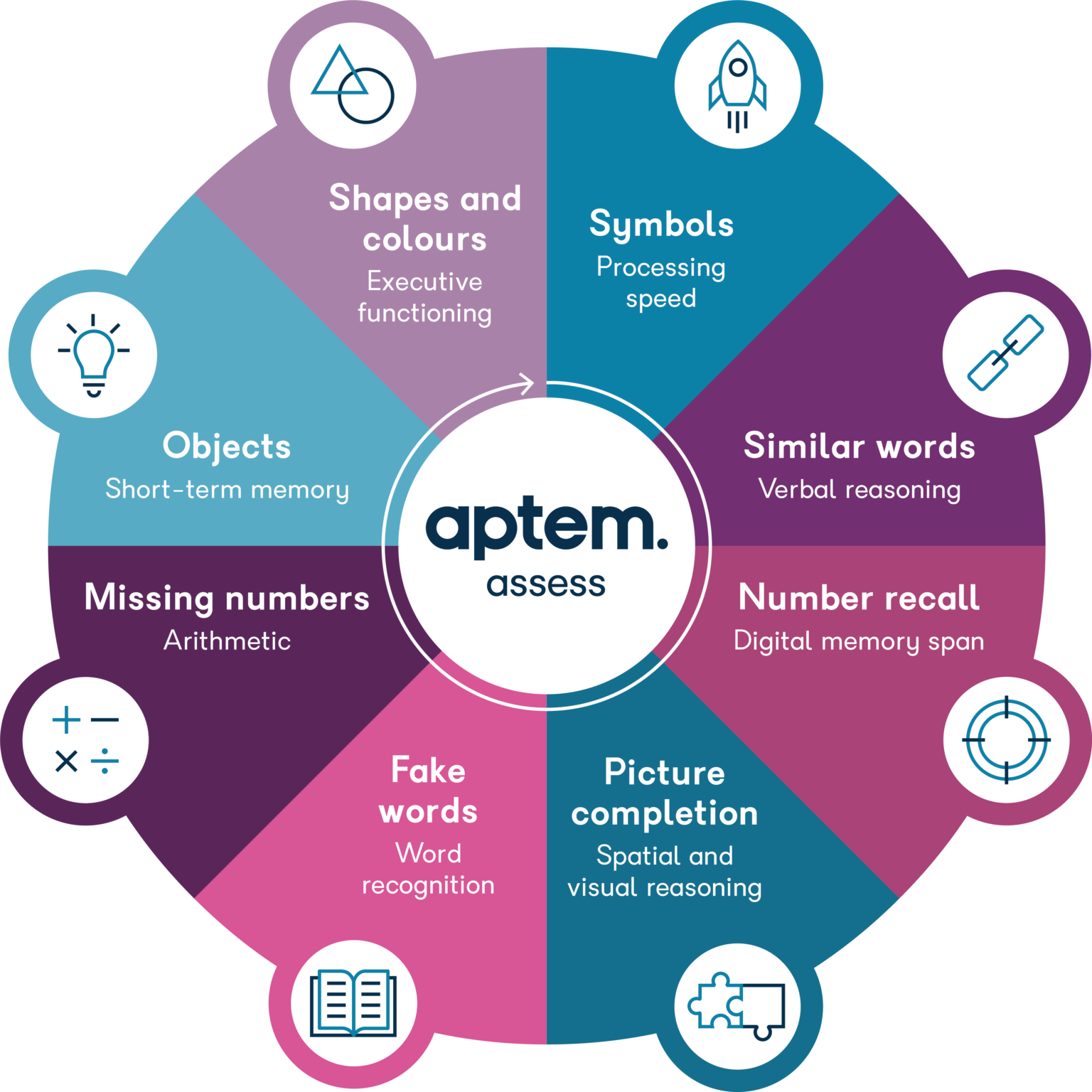
Modern digital tools are making screening easier and more accessible than ever. For example, Aptem Assess is an online screening tool designed specifically for apprentices. It helps identify potential learning support needs in a supportive, structured way and provides clear guidance on next steps.
The process is straightforward and learner-friendly. Apprentices complete an online assessment that highlights possible areas for support, such as dyslexia traits, processing differences or organisational challenges. The results are shared in a clear, positive format, focusing on strengths as well as areas where small adjustments could help.
Importantly, screening through tools like Aptem Assess does not provide a medical diagnosis. Instead, it offers insight, which is a starting point for conversation between the learner, employer and training provider. For some learners, it validates experiences they’ve had for years. For others, it provides reassurance that there are simple strategies available to help them succeed.
A positive step, not a problem to solve
It’s natural for some learners to feel nervous about screening at first. But increasingly, apprentices report that understanding their learning profile helps them feel more in control. Screening can:
- Build self-awareness
- Increase confidence
- Reduce anxiety
- Strengthen communication
- Support long-term career development
For employers, it signals a commitment to inclusion and development, values that matter to today’s workforce.
Try a free assessment
When apprentices understand how they learn best, everyone benefits. Employers can sign up for a free assessment at www.aptemassess.co.uk and discover how a simple screening process can unlock greater confidence, stronger performance and better outcomes.